
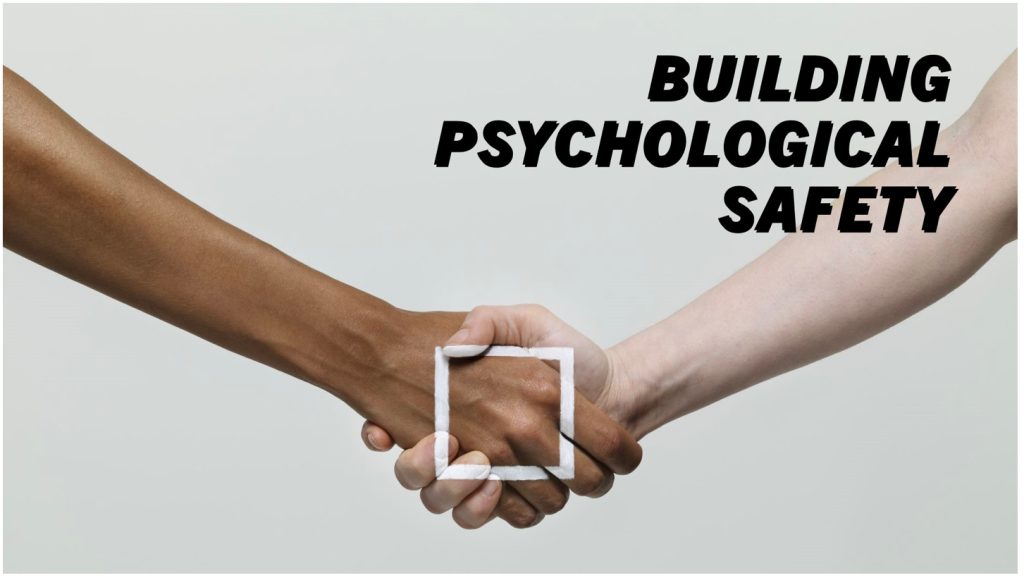
What is Psychological Safety?
Psychological safety, a concept popularized by Amy Edmondson, is the belief that one can speak up, question, offer suggestions, or even admit mistakes without fear of humiliation, punishment, or negative consequences. In a psychologically safe team, people feel free to be their authentic selves and express their thoughts without fear of repercussions.
At its core, psychological safety is not about avoiding conflict but fostering an environment where open communication enhances collaboration, creativity, and performance. It’s about ensuring that every team member feels valued, respected, and safe to contribute—whether it’s proposing a new idea, challenging the status quo, or admitting they need help.
As leaders, our role extends beyond guiding, directing, and inspiring—it’s about empowering our teams to thrive, feel secure, and go above and beyond to achieve shared goals.
Why Do We Need Psychological Safety?
Psychological safety is the foundation of high-performing teams. Here’s why it’s essential:
- Encourages Innovation: When people feel safe, they’re more likely to share bold, creative ideas without fear of being dismissed. Innovation thrives in an environment where risks can be taken without fear of judgment.
- Boosts Collaboration: Teams with psychological safety engage in open dialogue, learn from one another, and build trust, which enhances collaboration and collective success.
- Improves Performance: Research shows that psychologically safe teams are more productive, as team members focus on contributing their best rather than protecting themselves from criticism.
- Enhances Well-Being: Psychological safety reduces workplace stress and fosters a culture of belonging, where individuals feel valued and supported.
- Supports Learning: Safe teams embrace mistakes as opportunities for growth, creating a culture of continuous improvement.
The Four Stages of Psychological Safety
- Safe to Belong:
Belonging is foundational. When people feel welcomed, known, and connected, they experience a sense of security and community. As leaders, it’s vital to ensure new team members integrate seamlessly, fostering a sense of inclusion from the start.
According to the Achievers Workforce Institute (AWI), the five pillars of belonging are:- Welcomed: Feeling valued when entering a new environment.
- Known: Being recognized for one’s individuality and contributions.
- Included: Feeling like a key part of the team.
- Supported: Knowing help is available when needed.
- Connected: Building meaningful relationships within the team.
- Safe to Make Mistakes and Learn:
Leaders must normalize failure as part of the learning process. By sharing their own mistakes and learnings, leaders can model vulnerability and encourage their teams to take calculated risks without fear of blame. - Safe to Contribute:
People want to bring their skills, ideas, and perspectives to the table. Leaders must create spaces where contributions are welcomed and respected, fostering an environment where the best ideas—not the loudest voices—prevail. - Safe to Challenge the Status Quo:
Encouraging team members to question processes, provide constructive feedback, and suggest changes ensures continuous growth and improvement. Teams that feel safe to challenge norms are more adaptable and resilient in a fast-changing world.
How to Cultivate Psychological Safety
- Promote Open Communication:
- Foster a culture of dialogue where team members can express ideas and concerns freely.
- Actively listen to understand—not just to respond.
- Model Vulnerability and Humility:
- Share your mistakes and what you’ve learned from them.
- Invite feedback about your leadership and act on it.
- Admit when you don’t have all the answers and seek input from your team.
- Emphasize Values Over Rules:
- Create a shared vision that inspires and unites the team.
- Align team behaviors with core values like respect, collaboration, and continuous learning.
- Empower Team Members:
- Hire for expertise and give people the autonomy to use their skills.
- Avoid micromanaging—trust your team to deliver.
- Celebrate achievements and recognize contributions.
- Create a Feedback Culture:
- Encourage team members to give and receive feedback openly.
- Reinforce positive behaviors and address concerns constructively.
- Lead with Compassion:
- Show genuine care for your team’s well-being.
- Prioritize staff welfare—happy, supported employees deliver better outcomes for clients.
Barriers to Psychological Safety
Despite its importance, creating psychological safety is not always easy. Common barriers include:
- Leadership Styles: Authoritarian or micromanaging leaders can stifle open communication.
- Fear of Repercussions: Team members may fear punishment for speaking up, especially in hierarchical organizations.
- Lip Service to Inclusion: Leaders who say the right things but don’t follow through with actions undermine trust.
- Lack of Trust: Teams with a history of blame or favoritism struggle to develop a culture of safety.
- Resistance to Change: Some team members may fear or resist shifts toward more open and collaborative ways of working.
Practical Steps for Leaders
To overcome these barriers, leaders must:
- Be Consistent: Align words with actions to build trust.
- Address Concerns: Listen to grievances and act swiftly to resolve issues.
- Celebrate Diversity: Recognize and value the unique perspectives each team member brings.
- Encourage Risk-Taking: Reward bold ideas, even if they don’t always succeed.
The Future of Leadership
In health and social care, where compassionate, person-centred care is paramount, psychological safety is not optional—it’s essential. As leaders, we must:
- Guide and inspire teams to embrace challenges.
- Create spaces where everyone feels safe, valued, and empowered.
- Champion continuous learning and growth.
As you reflect on your leadership style, ask yourself:
- Do my team members feel safe to speak up, contribute, and challenge ideas?
- Am I fostering an environment where the best ideas prevail?
- Am I prioritizing the welfare and growth of my team?
The future belongs to leaders who embrace these principles and commit to creating thriving, psychologically safe teams. Let’s build workplaces where everyone feels safe to belong, contribute, and succeed—together.
Yours in leadership,
Dr. Brighton Chireka
Founder, DOCBEECEE Leadership Academy
“Growth Doesn’t Happen By Accident. It’s Intentional, And It’s Our Shared Responsibility To Lead With Purpose.”
We’d Love Your Feedback!
What resonated with you in this week’s newsletter? How are you fostering psychological safety in your team? Email us at brighton@docbeecee.co.uk—your input helps shape the future of this newsletter!
Subscribe to receive weekly insights delivered straight to your inbox: https://docbeecee.co.uk/contact-us/
